A standard tarot deck contains 78 cards, and every single one has a purpose. The deck is not a random collection of images — it is an intricately organized system that mirrors the full spectrum of human experience. From the grand spiritual lessons that shape our lives to the small, everyday moments that make up our days, every card has its place in the whole.
Understanding the structure of the deck is one of the most important steps in learning tarot. Once you see how the pieces fit together, the cards stop feeling overwhelming and start feeling like a language you can learn to speak. Let’s break it down.
The Two Halves: Major and Minor Arcana
The 78 cards are divided into two main groups: the Major Arcana (22 cards) and the Minor Arcana (56 cards). The word arcana comes from the Latin arcanum, meaning “secret” or “mystery.” Together, these two groups represent both the profound mysteries of the soul and the practical realities of daily life.
The Major Arcana: The Soul’s Journey
The 22 Major Arcana cards are the heart of the deck. Numbered 0 through 21, they begin with The Fool — a figure stepping off a cliff into the unknown — and end with The World — a symbol of completion, integration, and wholeness. This sequence is often called The Fool’s Journey, and it represents the soul’s path through life’s greatest lessons.
Along the way, The Fool encounters archetypes that every human being will meet in some form: The Magician (personal power), The High Priestess (intuition and mystery), The Empress (abundance and nurturing), The Emperor (structure and authority), The Tower (sudden upheaval), Death (transformation), and many more. These are not small moments. They are the turning points, awakenings, and deep transformations that define who we become.
The Major Arcana tells the story of your soul. The Minor Arcana tells the story of your days. Together, they tell the story of your life.
The Minor Arcana: The Fabric of Daily Life
The 56 Minor Arcana cards deal with the situations, emotions, challenges, and choices you encounter in everyday life. While the Major Arcana speaks to destiny and deep transformation, the Minor Arcana speaks to the here and now — your relationships, your work, your feelings, your decisions. These cards remind us that the ordinary moments of life are just as meaningful as the extraordinary ones.
The Four Suits and Their Elements
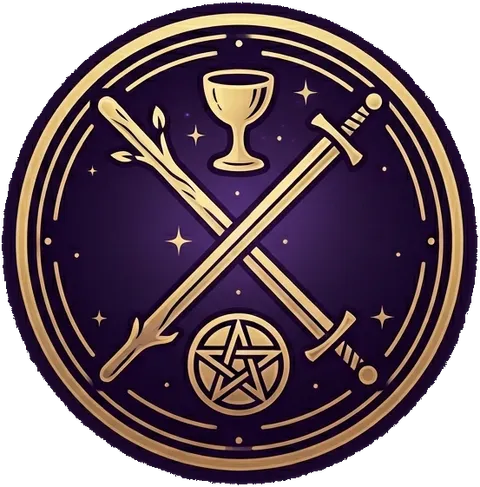
The Minor Arcana is divided into four suits, each associated with a classical element and a domain of human experience:
- Cups (Water) — Emotions, relationships, love, intuition, and the inner world of feelings. When Cups appear in a reading, the heart is speaking.
- Pentacles (Earth) — Material reality, finances, career, health, and the physical world. Pentacles ground you in what is tangible and practical.
- Swords (Air) — Thoughts, communication, conflict, truth, and mental clarity. Swords cut through illusion — sometimes painfully, but always honestly.
- Wands (Fire) — Passion, creativity, ambition, action, and spiritual energy. Wands ignite movement and inspiration.
These four elements work together to create a complete picture of life. No single element is more important than another. A balanced life — and a balanced reading — honors all four.
Numbered Cards: Ace Through Ten
Each suit contains ten numbered cards, from Ace through Ten. The numbers tell a story of progression within each element. The Ace represents a pure beginning — a seed of potential. As the numbers increase, the energy of the suit develops, deepens, and sometimes reaches a point of crisis before arriving at the Ten, which represents completion or culmination of that suit’s theme.
For example, the Ace of Cups is the spark of new love or emotional opening. The Five of Cups is grief and loss. The Ten of Cups is emotional fulfillment and family harmony. The journey from Ace to Ten mirrors the natural arc of any experience — beginning, struggle, growth, and resolution.
The Court Cards: People and Personalities
Each suit also contains four court cards: the Page, the Knight, the Queen, and the King. These cards often represent people in your life — or aspects of your own personality. They can also indicate stages of maturity or mastery within a particular element.
- Pages represent curiosity, new beginnings, and the student energy — someone just starting to explore.
- Knights represent action, pursuit, and forward momentum — sometimes reckless, always passionate.
- Queens represent mastery of the inner world — emotional intelligence, nurturing, and deep understanding.
- Kings represent mastery of the outer world — leadership, authority, and the ability to direct energy with wisdom.
How the Structure Mirrors Life
The beauty of the tarot deck is that its structure is not arbitrary. It is a map of the human experience. The Major Arcana reflects the great spiritual milestones we all share. The four suits reflect the four fundamental dimensions of life — feeling, doing, thinking, and creating. The numbered cards trace the arc of every journey from beginning to end. And the court cards reflect the many faces we wear as we grow and evolve.
When you hold a tarot deck in your hands, you are holding a miniature model of existence itself. Every card is a doorway. Every spread is a story. And the more you understand the structure, the more fluently you can read the stories the cards are telling you.
See the Cards in Action
Now that you understand the structure, experience the deck for yourself. Pull a card and explore its meaning.